Scars: What they tell about your story
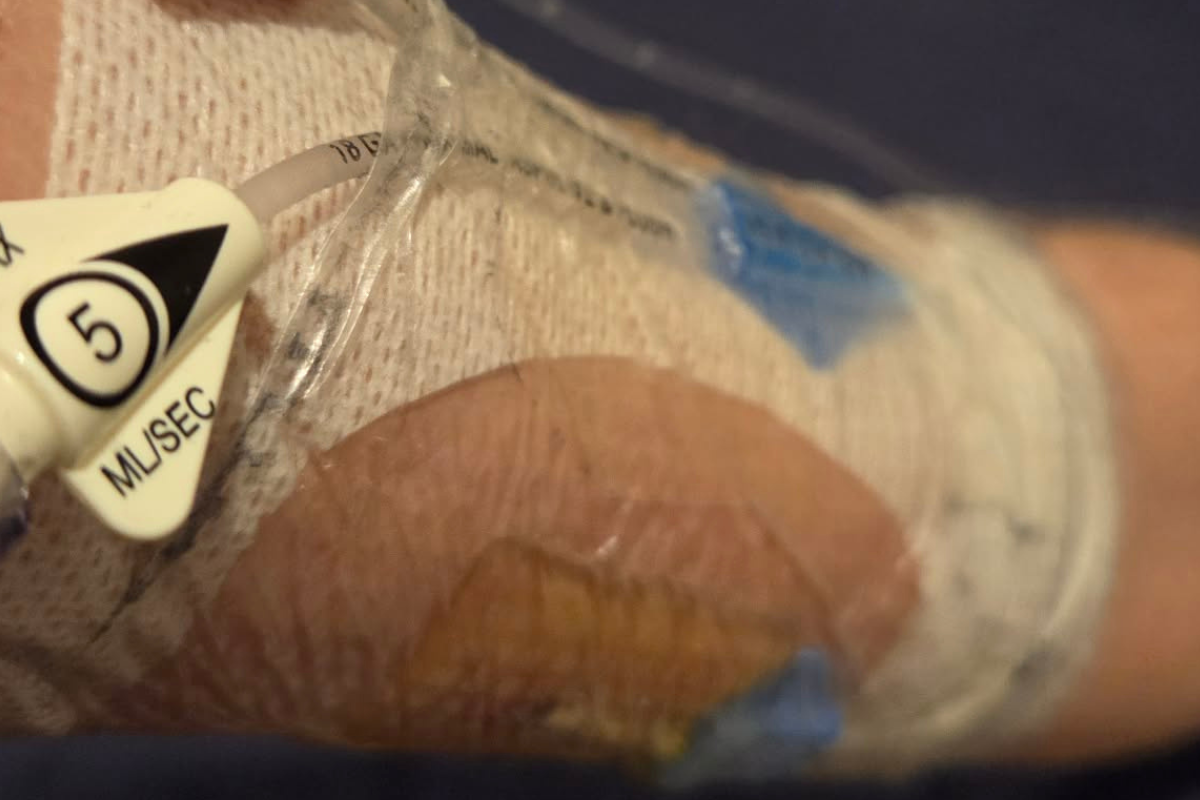
What your scars tell about your story
For a long time, I viewed these marks as "reminders" of the worst days of my life. I saw them as interruptions to my skin and, honestly, my identity. I felt like they were neon signs pointing to everything that had gone wrong. But as I’ve moved from being a patient to being a survivor, my perspective has done a complete 180. These aren't just scars; they are the roadmap of my resilience.
The Biology of a Battle
From a scientific perspective, a scar is a bit of a miracle. It is your body’s way of rushing to the scene of a trauma and building a permanent bridge to keep you whole. When the skin is deeply wounded, your system doesn't have the luxury of time to perfectly recreate your original, smooth skin. Instead, it sends in the "emergency repair crew", fibroblasts that produce thick cords of collagen.
This new tissue isn't as "pretty" as the original, but it is significantly tougher. Think about that for a second. Your body literally creates a reinforced version of yourself to ensure you survive the hit. Every scar you carry is biological proof that your body fought for you, and won. It’s the physical evidence that you are "In Control" even when you are unconscious on an operating table.
The Mirror and the "Side-Fringe" Phase
I won’t sugarcoat it: accepting a new scar is hard. I remember the first time I looked in the mirror after my brain surgery. I didn’t see a "warrior." I saw someone who looked broken. In my book, I Should Be F’N Dead!, I talk about the "burden" of the mark. When your body is marked by surgery, it can feel like you’re carrying a permanent billboard that says "I’m the sick one."
I spent months trying to hide. I had an infamous side-fringe to cover the scar on my head and hide the fact that my eye wouldn't fully open. I was terrified of the pitying looks. I was worried that if people saw the scars, they wouldn't see me, they’d just see the diagnosis.
But hiding your scars is like ripping the final chapters out of a bestselling book. If you only show the "perfect" parts, no one gets to see the grit, the plot twists, and the incredible survival it took to get to today. You’re essentially hiding the best part of your story.
Reframing the Mark: From Damage to Upgrade
I’ve reached a point now where I don't see my scars as flaws. I see them as trophies. Every time I catch a glimpse of the mark on my torso, I’m reminded of the kidney transplant that gave me a second chance at life. When I feel the ridge on my scalp, I don't think about the tumour; I think about the fact that I’m still here to talk about it.
We need to de-stigmatise the idea of being "marked." In nature, the most beautiful landscapes are the ones with the deepest canyons and the jagged cliffs, places that have been weathered by the elements. We are no different.
If you have a scar, whether it’s from a surgery, an accident, or even a mental battle that left an invisible mark, I want you to stop trying to "fade" it. Instead, start reframing it. That mark is the signature of your strength. It is proof that life tried to take you down, and you decided to stay.
Scars as a Bridge to Others
One of the most uplifting things about owning your scars is how it gives other people permission to own theirs. When I stopped hiding my "battle marks," I noticed that people started opening up to me more. Scars are a universal language of survival.
They tell people:
"I have been through the fire."
"I know what it’s like to fight."
"I am still standing."
When we wear our stories with pride, we stop being a "burden" and start being a "blueprint" for others who are currently in the middle of their own storm. We show them that you can be "nearly f'n dead" and still come back with a zest for life that is contagious.
The "In Control" Perspective
Acceptance is the ultimate power move. When you accept your scars, you take the power back from the surgeons and the stats. You say, "This happened to me, but I am the one who decides what it means."
I am not "damaged goods." I am an upgraded version of the woman I used to be. I am a Phoenix, and my scars are just the beautiful, complex patterns on my wings. They don't define the end of my beauty; they define the beginning of my resilience.
So, next time you look in the mirror, don't look for the "flaws." Look for the evidence of your victory. Your body is a map of every mountain you’ve climbed, and that, mate, is something worth celebrating.
Don’t Hide the Best Parts of Your Story
If you’re struggling to look in the mirror and see anything other than what you’ve lost, I’ve got two ways to help you change the lens:
Wear Your Resilience: Stop viewing your marks as "damage" and start seeing them as your survival strategy. [Join the Course: How to React to a Medical Diagnosis]
The Marks of a Survivor: Every scar on my body has a story behind it, from brain surgery to cardiac arrest. Read the unfiltered truth. [Grab the Book: I Should Be F’N Dead!]